What was the Santa Fe Trail?
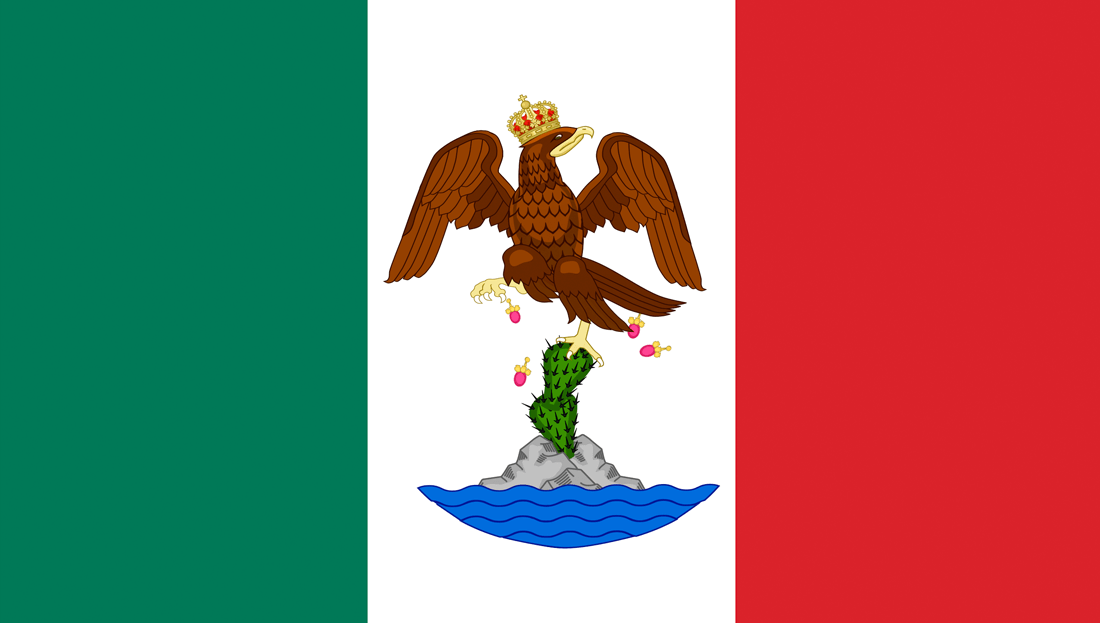
But establishing a border between Spanish and U.S. jurisdictions didn’t stop some Americans from crossing that border. It will be remembered that when young Zebulon Pike had set out to explore the Great Plains and the Rocky Mountains in 1806, he was unceremoniously arrested by Spanish troops in modern-day Colorado. Back then, isolationist Spanish authorities had jealously guarded their frontiers against perceived American incursions. Only a few years after Pike’s journey, however, Mexico erupted into revolution. What this development might mean for American travelers and traders, no one could say. Regardless, a vast, largely uncharted buffer territory separated Mexico proper from the United States. From the Missouri border established by the “Transcontinental Treaty,” hundreds of miles of plains—inhabited by bands of highly mobile and often hostile American Indians, none of whom had been party to the recent boundary negotiations—ran up against hundreds of miles of desert and mountains. All of this must be traversed before one could ever catch a glimpse of Santa Fe.
Enter William Becknell. Becknell had lived in Missouri for around a decade, making his way further and further west until finally setting himself up on the part of the Missouri River that marked the state’s western border. A veteran of the War of 1812 (during which he’d battled British-allied Fox, Sac, and Cree natives on the frontier), Becknell worked a farm, traded horses, and operated a ferry across the Missouri at a place called Arrow Rock. Later he tried his hand at salt mining, and he speculated in land, too. To carry out his various enterprises, William Becknell borrowed a sizable amount of money. Credit was easy, after all.

A U.S. National Park Service map of the Santa Fe Trail, with a few additional labels added by me (in black)